

Can I Get A Massage If I’m Ticklish?
Yes, you can absolutely get a massage if you’re ticklish.
This is one of the most common concerns we hear from first-time clients, and the good news is that skilled massage therapists know exactly how to work with ticklish people.
The key is communication and technique.
This guide covers why ticklishness happens during massage, what your therapist can do about it, and how to get the most out of your session.
Why Do People Feel Ticklish During a Massage?
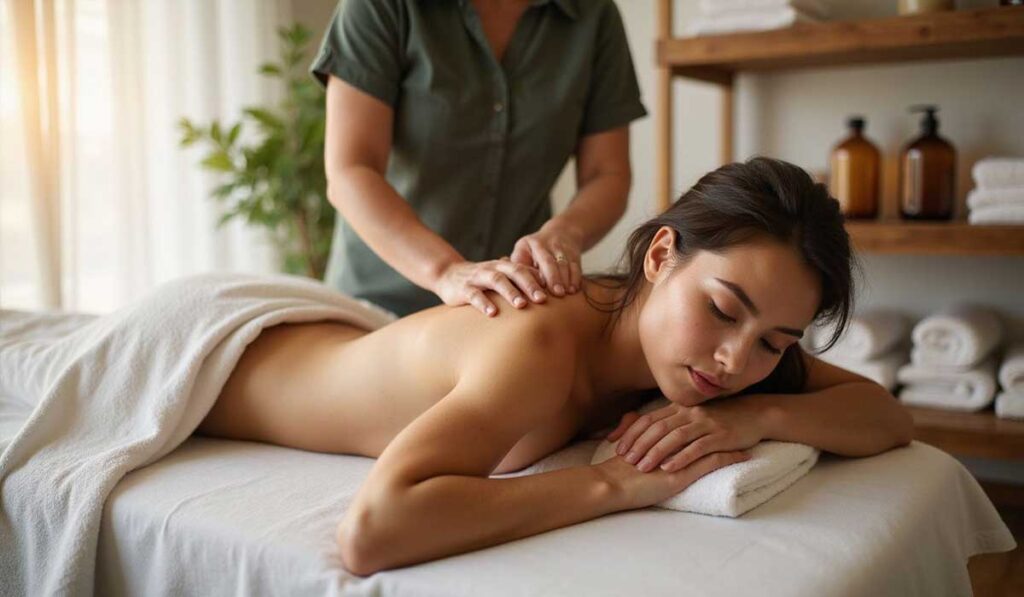
Ticklishness is your nervous system reacting to light, unexpected touch.
Certain areas of your body have more nerve endings, which makes them more sensitive.
Your feet, ribs, neck, and inner arms are common culprits.
A few things can make ticklishness worse:
- Light or feathery touch. Quick, gentle strokes trigger the tickle reflex more than firm pressure.
- Anticipation and anxiety. If you’re nervous or expecting to be tickled, your body stays on alert.
- Tight muscles. Surprisingly, ticklishness often signals tension. Those “ticklish” spots may actually be tight spots that need work.
The good news?
All of these can be addressed with the right approach.
What Techniques Help With Ticklish Clients?
Massage therapists work with ticklish clients regularly.
Here’s what they do:
Use firmer, slower pressure. Light, quick strokes trigger ticklishness. Slow, steady, deeper pressure usually doesn’t.
Use palms and forearms instead of fingertips. Broad contact feels more grounding and less tickly than precise fingertip work.
Start on less sensitive areas. Your therapist may begin on your back or shoulders to help you relax before moving to more sensitive spots.
Use plenty of lotion or oil. This helps hands glide smoothly without catching on skin, which reduces the tickle response.
Skip or modify problem areas. If your feet are extremely ticklish, your therapist can avoid them entirely or use a different technique.
Tips for Managing Ticklishness During Your Massage
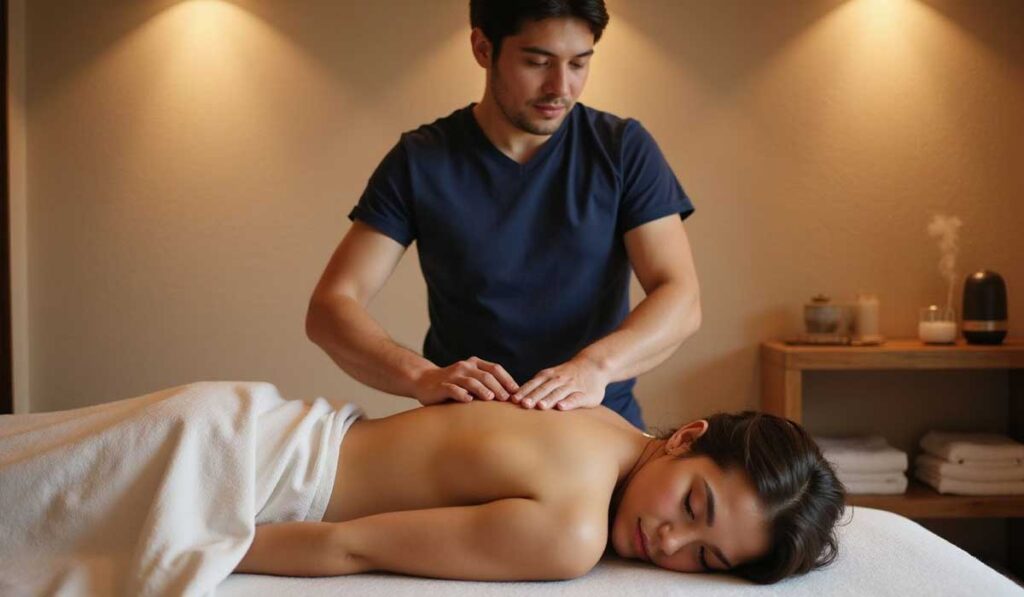
Tell your therapist before the session starts. Mention which areas are most ticklish. This helps them plan their approach.
Ask for firm pressure. Don’t be shy about requesting deeper work. You can always ask them to ease up if needed.
Breathe slowly. Deep breathing helps calm your nervous system and reduces the tickle reflex.
Use a simple cue. If something feels ticklish mid-session, just say “that tickles” or “firmer please.” Your therapist will adjust immediately.
Give it a few sessions. Many clients find their ticklishness decreases over time as their body gets used to therapeutic touch and their muscles relax.
Will Being Ticklish Ruin My Massage?
Not at all. Massage therapists expect some clients to be ticklish, and they know how to adapt.
A little laughter or squirming won’t bother them.
What helps most is speaking up. If something tickles, say so.
Your therapist would much rather adjust their technique than have you uncomfortable for the whole session.
Many ticklish clients find that once they relax and the therapist finds the right pressure, the ticklish feeling fades.
Some even discover that their “ticklish” spots were actually holding tension, and working on those areas brings real relief.
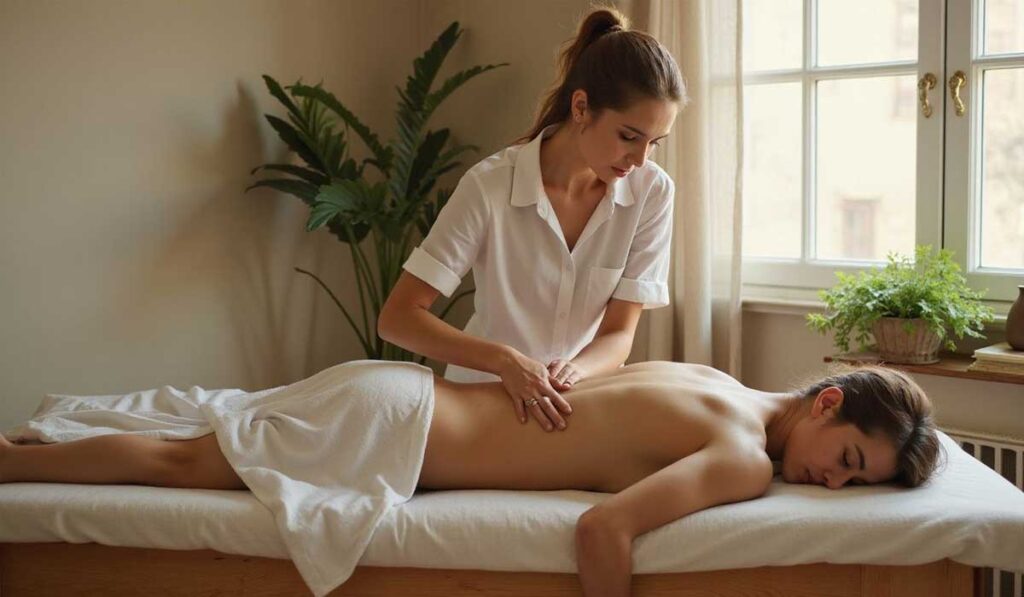
Conclusion
Being ticklish doesn’t mean you have to skip massage.
With clear communication and the right techniques, you can enjoy a relaxing session just like anyone else.
Tell your therapist about your ticklish spots, ask for firm pressure, and speak up if anything feels uncomfortable.
You might be surprised how quickly the ticklishness fades once you relax.
The therapists at Healing Health Massage are experts at massaging people who are ticklish.
FAQs
Can I still get a massage if I’m extremely ticklish? Yes. Let your therapist know ahead of time, and they’ll use firmer pressure and slower strokes. Most ticklish clients do just fine once the right technique is in place.
What should I say to my massage therapist? Simply say “I’m ticklish” or “I’m ticklish on my feet and ribs.” You can also ask for firmer pressure or request that they skip certain areas entirely.
Will the ticklish feeling go away during the massage? Often, yes. Once your body relaxes and adjusts to the pressure, the tickle response usually calms down. Many people stop feeling ticklish after the first few minutes.
What if I laugh or squirm during the massage? That’s completely fine. Your therapist won’t be offended. Just let them know if you need a different pressure or technique, and they’ll adjust.
Does ticklishness get better with regular massage? Many clients find that their ticklishness decreases over time. As your muscles relax and your nervous system adapts to therapeutic touch, sensitive areas often become less reactive.